

Do you really know the history and principle of the mist fan?
Standing in the peak summer of 2026, mist fans are everywhere – hanging from backpack side pockets during commutes, clipped onto tent poles at campsites, or standing in the outdoor seating areas of cafés. Many shoppers even grab compact handheld mist fans as essential summer supplies before heading out for hiking or shopping trips. Yet few people realise that the core technology behind the mist fan is not a modern invention, but an ancient wisdom used by humans for thousands of years. Mist fan age-old cooling logic relies entirely on water evaporation to absorb ambient heat, a physical rule that never fades with time.
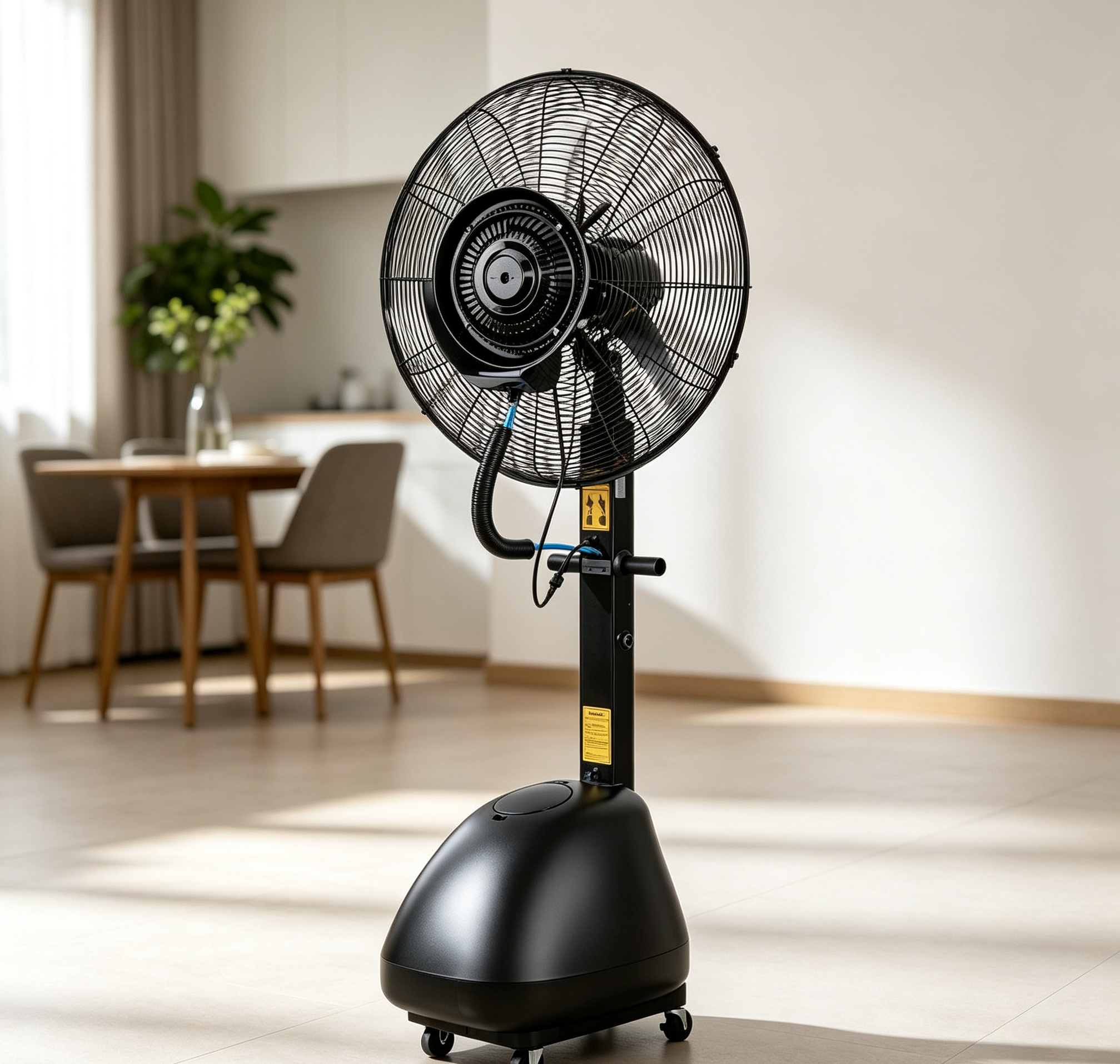
A Brief History of the Mist Fan
The mist fan has a long history. Thousands of years ago, ancient Egyptians hung wet reeds over windows; as the breeze passed through the evaporating moisture, the incoming air became cooler. That is the first time combine mist and fan- like mist fan.Wealthy Egyptian nobles also laid water-soaked linen cloths across doorways to further lower indoor temperatures in scorching desert summers.
The modern mist fan, however, began to take shape in the early 20th century, when engineers combined electric fans with high-pressure water nozzles. Early prototypes were bulky and required fixed water pipes, limiting their use only to large factory spaces at that time. By the 1980s, portable mist fans appeared in outdoor industrial settings, such as construction sites and amusement parks. Theme parks widely deployed these devices around roller coasters and food stalls to ease visitors’ discomfort under blazing sunshine. It wasn't until the early 2000s that miniaturisation and battery technology made the mist fan a personal, everyday companion – finally turning ancient wisdom into the pocket‑sized relief we see today. Lightweight lithium batteries cut the overall weight drastically, allowing users to carry mist fans for hours without access to wall power.
A Brief principle of Mist Fans
An ultrasonic mist fan uses high‑frequency vibrations and airflow to produce an ultra‑fine, cool mist. Inside the mist fan, a piezoelectric transducer vibrates at over 1.7 MHz, creating capillary waves on the water surface. This makes the mist fan completely safe and energy‑efficient. A built‑in fan then blows the micro‑droplets outward, dispersing them into the room. Mist fan has low-speed silent fan wheel pushes mist evenly instead of generating harsh gusts that irritate human skin. Because the droplets are so small, they evaporate instantly, cooling the air without wetting surfaces. Tables, clothing and electronic devices nearby will stay dry even after hours of continuous mist output. That is why a mist fan feels refreshing rather than damp.
Unlike old‑style humidifiers, this mist fan produces no noise or hot steam. Older steam humidifiers heat water to boiling point, wasting extra energy and raising surrounding room temperature slightly. Finally, the mist fan increases humidity while lowering perceived temperature, making it ideal for personal cooling in dry or hot environments. Mist fan effectively relieves dry throat and chapped skin caused by long exposure to dry summer wind. Every mist fan works silently and uses very little power, offering a clean, comfortable breeze. Most handheld mist fan run for over eight hours on a single full charge, perfect for all-day outdoor activities.
Historically, the mist fan evolved from ultrasonic humidifiers. Early ultrasonic humidifiers only focused on raising air humidity without any auxiliary air circulation structure. A mist fan works by vibrating water into micro droplets, then a fan disperses them. The additional fan module solves the problem that humidifier mist fan accumulates locally and cannot spread quickly. This mist fan produces no heat, so the breeze stays cool. Mist fans avoids the warm, stuffy airflow common to heating-based humidification cooling tools.
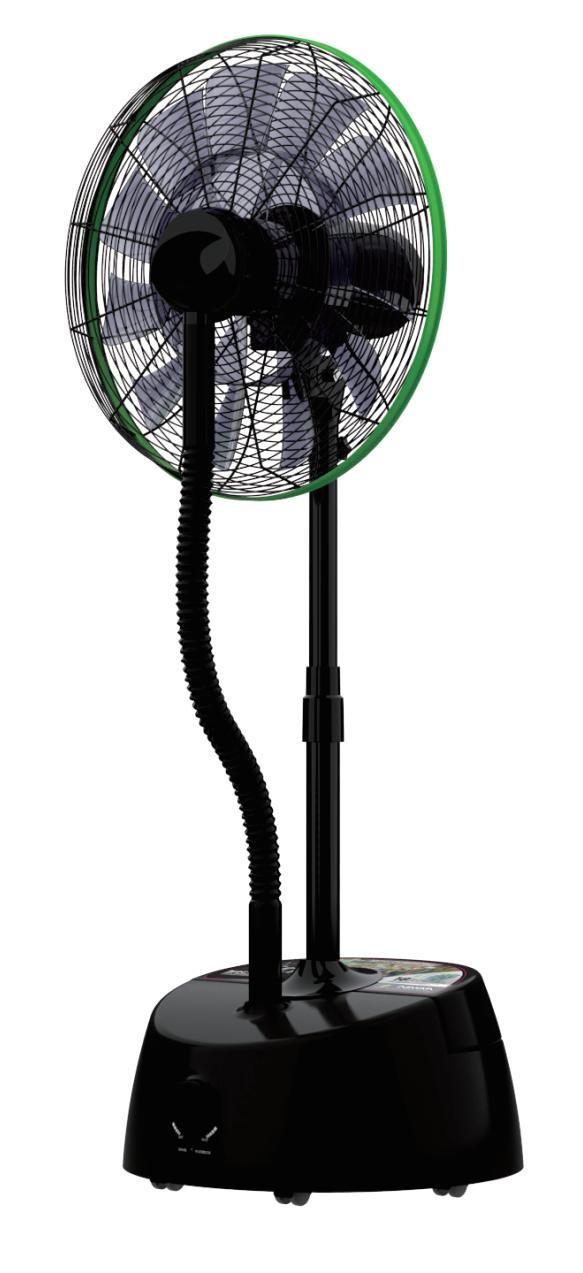
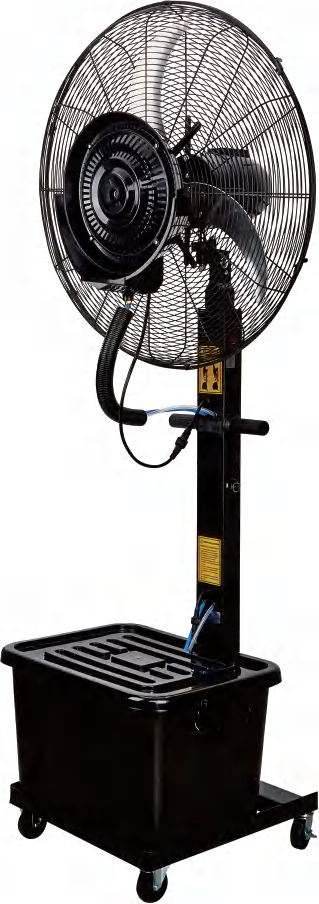
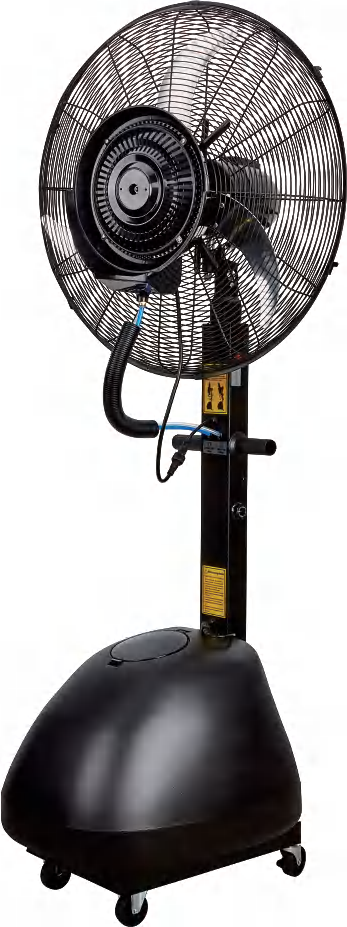
Today, the mist fan remains a very quiet and energy efficient small personal cooling device for dry environments. Global outdoor product brands keep upgrading its water tank capacity and anti-leak structure to fit diverse daily usage scenarios.
