

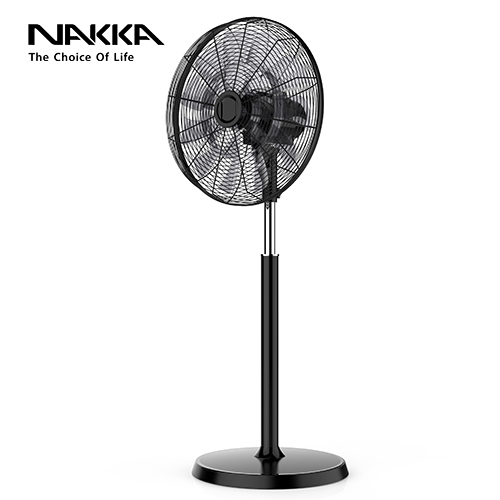
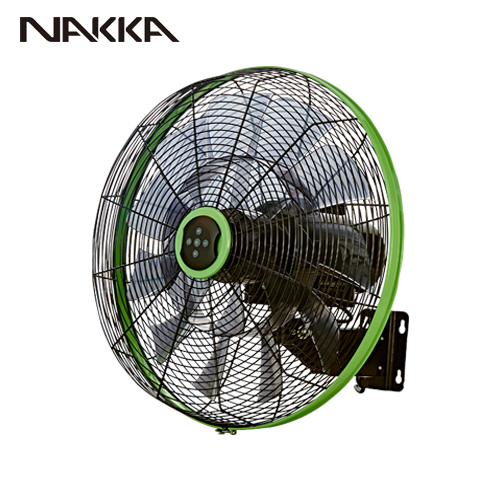
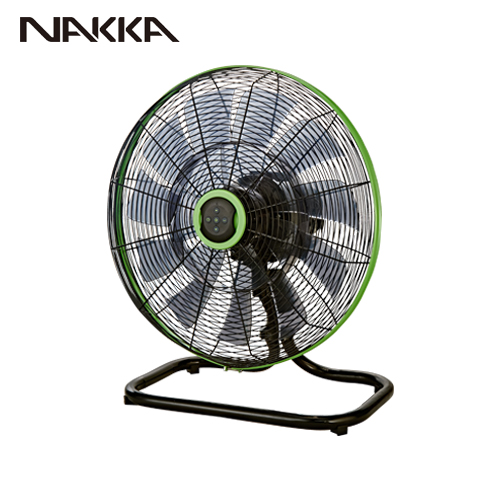
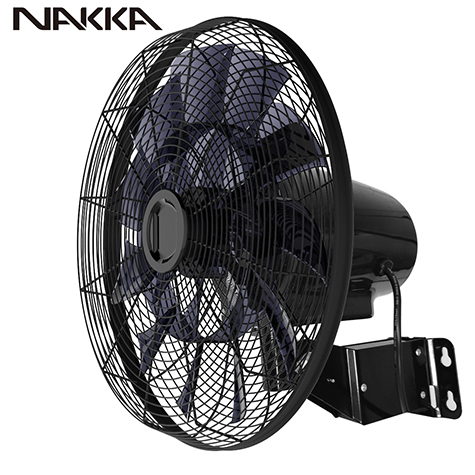
For every household around the world, electric stand fans have become an indispensable cooling appliance throughout hot seasons, especially in regions with long, sweltering summers, high humidity, or areas where air conditioning units remain unaffordable or impractical for daily all-day use. They generate high monthly utility bills, stand fans rely on far lower power input to deliver comfortable wind circulation, making them the most budget-friendly supplementary cooling solution for families of all sizes. Understanding household stand fan wattage is a key to managing your energy bills and choosing the right cooling device for your home, as mismatched fan size, outdated motor technology, or improper usage habits can quietly inflate your electricity expenditure month after month without you noticing the root cause. By checking the wattage label before purchase, you can avoid high-energy models and save money over time, aligning your daily lifestyle with eco-friendly household standards that more consumers prioritize today.
Typical Household Fan Wattage Ranges by Fan Type
For regular home use, choosing a household fan that stays below 50 watts with a DC motor offers the best balance of airflow and energy efficiency, a critical advantage over traditional AC motor fans that waste massive power as heat even when running at low speeds. That means you can run your household fan for hours at a fraction of the cost-for reference, a 30-watt DC stand fan operating 8 hours daily only consumes 0.24 kWh of electricity per day, costing mere cents in most global power markets. A small household fan with 12‑inch blades typically consumes 20-35 watts. A standard 16‑inch household fan draws 35-60 watts, the most mainstream size for medium bedrooms, small living rooms, and student dormitories, striking a balance between sufficient air volume and moderate power draw for everyday family use. Meanwhile, a large 18‑inch household fan can use 50-80 watts, engineered to cover open-concept living areas, combined kitchen-lounge spaces, or small rental storefronts that demand wide-angle oscillation and stronger wind output to cover larger floor areas. In contrast, a DC motor household fan of any size usually stays between 15 and 35 watts, thanks to brushless DC inverter technology that converts wall alternating current into precisely regulated direct current, cutting energy waste by 40% to 70% compared to equal-sized AC stand fans while maintaining consistent, smooth airflow across all speed gears. For a bedroom, a 20-30 watt household fan is sufficient, delivering soft, quiet circulation ideal for overnight sleep without harsh gusts or elevated power drain. For a larger living area, aim for a 40-50 watt household fan.
Smart Ways to Lower Your Household Fan Wattage Usage
Reducing household fan power consumption doesn't mean sacrificing comfort or settling for weak, ineffective airflow that leaves your room feeling stagnant and warm. Try these proven tips that combine basic operational logic with long-term appliance care:
Use medium or low speed
Many consumers automatically switch their stand fan to the highest speed gear the moment they feel warm, unaware that maximum speed triggers the fan's peak wattage consumption, wasting electricity on stronger wind than most indoor environments actually require. Human skin's wind-chill effect creates noticeable cooling relief even with gentle low-speed airflow;Before you turn on any household fan, ask yourself: is high speed really necessary? If natural cross-ventilation from open windows already brings mild air movement, low or medium gear will fully meet your comfort needs at a fraction of the energy cost.
Pair your household fan with an air conditioner
Many people don't realize that a household fan can make an air conditioner work more efficiently, creating a symbiotic cooling system that slashes total household cooling wattage far more than running either device alone. Independent energy testing confirms that raising the thermostat by just 2°C can reduce your AC's energy use by 10-15%, and pairing this temperature adjustment with a low-wattage stand fan amplifies total cooling savings by up to 35% compared to running the air conditioner alone at a lower temperature setting.
Clean household fan blades and grilles regularly
Over time, dust and dirt accumulate on every household fan . This may not seem like a big problem, but a dirty household fan forces the motor to work much harder. Tests show that a dusty household fan can draw 10-20% more wattage than a clean one. clean your household fan at least once 3 month.for households with shedding pets, regular home cooking, or dusty urban living environments, monthly light wipe-downs of blades and grilles are recommended to preserve peak low-wattage performance all summer long.
Use timer or sleep mode
How often do you leave a household fan running all night long, a common unconscious habit that creates countless hours of unnecessary idle power consumption each month? Even after you fall asleep, that household fan keeps spinning at full or medium speed, consuming electricity for hours when you don't actually need powerful circulation-overnight, human body temperature drops during deep sleep, and low-speed gentle airflow is more than enough to maintain comfort, making full-speed operation entirely wasteful. By using this simple feature, your household fan will never waste another watt of electricity while you sleep.
