

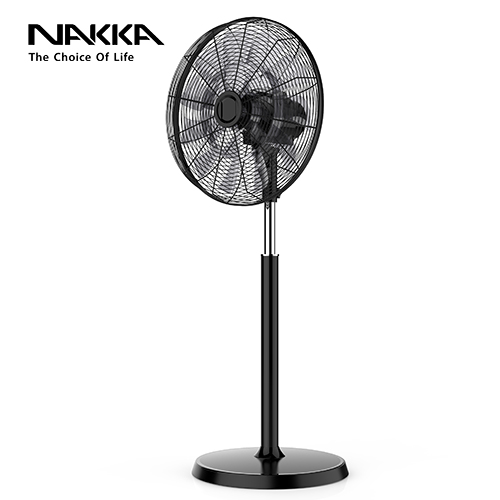
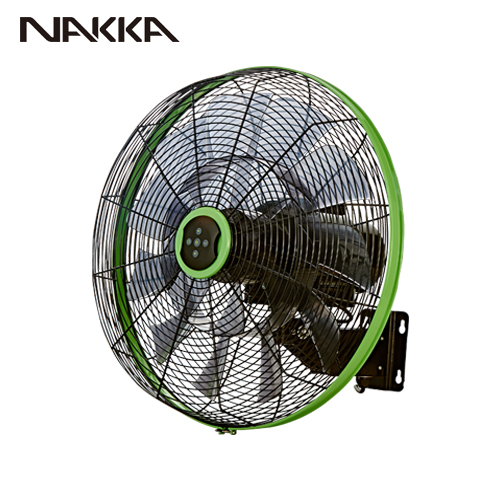
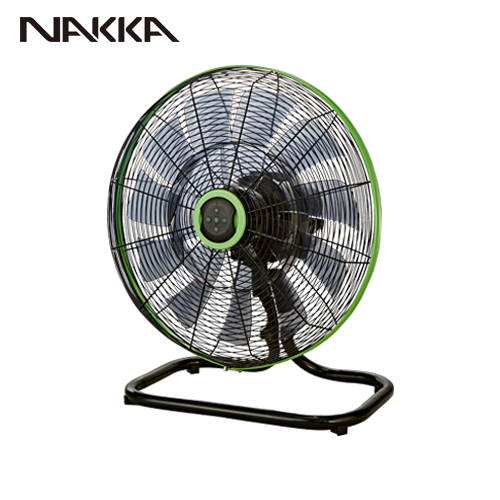
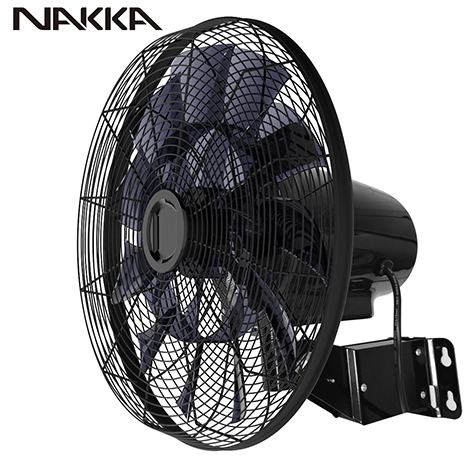
In the summer home appliances, the remote control electric fan with intelligent functions such as timing switch, stepless speed regulation and remote control completely replaced the traditional manual fan and became the mainstream choice of the family.
But many consumers always have concerns: compared with the traditional manual fan with simple structure, the remote control electric fan has more electronic accessories such as circuit board, infrared reception and remote control module. Is it easier to have faults and shorter service life? The frequent use of remote control failure, button jam and other problems also make many people think that the failure rate of remote control electric fan is high. In fact, the fault problems of the remote control electric fan have obvious differences, not high overall failure rate. The fault is concentrated in electronic auxiliary components, and the core operation structure is still stable and durable. The remote contro electric fan fault rate is mainly determined by the product quality and the use environment.
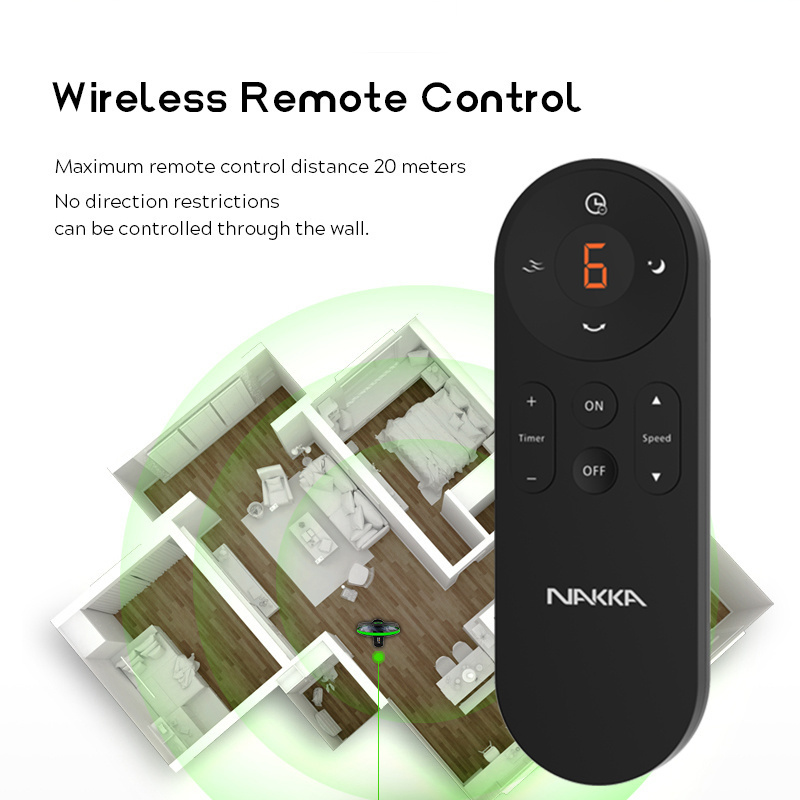
The failure‑rate of remote control electric fans essentially hinges on hardware material quality.
From the perspective of core hardware, the basic operation structure of the remote control electric fan is completely consistent with the traditional manual fan, with a very low failure rate and strong durability. The core life components of electric fans are motors, bearings and fans. Our NAKKA remote control electric fans are basically made of pure copper motors with wear-resistant bearings. The structure is mature and the technology is stable. Our remote control electric fan not easy to heat and age when running for a long time. Normal use can stably run for several years or even longer.
According to the monitoring data of the household appliance industry, the proportion of core hardware failures such as motor and mechanical transmission of remote control electric fans is less than 20%, and there is almost no gap with ordinary manual fans. Most of the "fragile" perceived by the public is not the damage of core components, but the problem caused by the shrinkage of materials for low-cost miscellaneous products. Part of the low-end models are compression costs, using low-quality motors and simple circuit boards, rough workmanship, poor sealing, and prone to line aging and poor contact after long-term use, which is also the main reason why many people think the remote control electric fan failure rate is high.

Faults of Remote‑Control Fans Mainly Lie in the Electronic Control System
The high incidence of faults in the remote control electric fan is concentrated in the external electronic control system, which is also the only short board that is different from the traditional manual fan. The whole remote control system includes remote controller, infrared receiving module, control circuit board and other precision electronic components. Compared with the mechanical structure, it is more sensitive to the environment and the way of use.
According to the after-sales statistics, more than 60% of the faults of the remote control electric fan come from the electronic remote control module. Among them, poor battery contact, infrared signal obstruction and button aging are the most common pseudo faults, which can be solved without maintenance. At the same time, after most of the ordinary infrared remote controls have been used for 18 months, the decline probability of the button function is greatly increased, and the failure probability in the southern humid area is significantly increased, but such problems only affect the remote control function, and will not lead to the fan unable to operate normally.
Overall, the overall failure rate of the remote control electric fan is in a reasonable controllable range, which is not a high failure home appliance, and the cost performance and practicability are far better than the traditional manual fan. Its fault characteristics are very clear, the core mechanical structure is stable and reliable, and there is almost no fatal fault. All high-frequency problems are concentrated on repairable, low-cost electronic remote control module, which will not affect the core use function. Compared with the single manual operation mode of the old fan, the convenience experience brought by the remote control function is greatly improved, and the slight electronic fault is completely acceptable.

When consumers purchase traditional manual fans or remote control electric fan, they should avoid low price brands, choose brand models with waterproof and dust-proof design and regular warranty, keep the fuselage dry and clean in daily use, and avoid frequent violent operation, which can effectively reduce the failure probability, let the remote control fan be used stably for a long time, and take comfort experience and durability into account.
