1、 Advanced Techniques for Fan Placement and Wind Direction
1. "Convection method", which is the most scientific way to cool down
1) Method: Place the fan in front of the window on one side of the room (or on the windward side at night) and let the fan blow outward.
2) Principle: This will draw out the hot indoor air while drawing in fresh and cool outdoor air through the windows or doors on the other side, creating a whole house air exchange. It is healthier than simply blowing at people, and the cooling effect covers the entire room.
2. "Refraction method" can avoid direct blowing of hard wind
1) Method: Turn the fan at an angle of more than 45 degrees away from the human body, or blow it towards a wall corner, wall, or ceiling.
2) Principle: After the wind hits the wall, it will disperse into turbulent flow, becoming soft and directionless, just like the through wind in a valley. The body still feels cool, but avoids the "needle prick" like stimulation.
3. "High low misalignment method" is used to protect critical parts
1) Method:
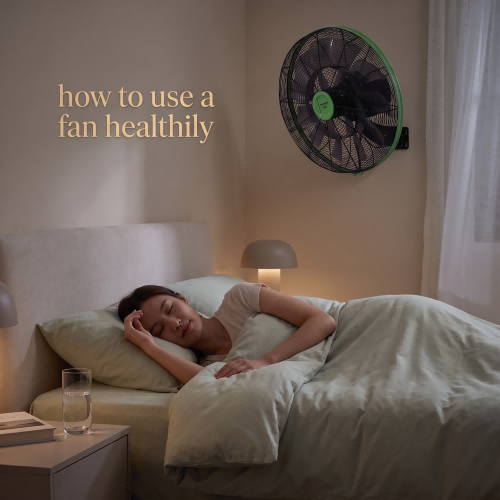
When sleeping: The height of the fan should not be level with the bed surface. It is best to be higher than the head (such as hanging on a wall or placing on a high cabinet), allowing the wind to sweep through from above; Or lower than the bed surface (placed on the ground), allowing the wind to flow along the floor.
During office hours, the fan height should be lower than the desktop and blow towards the area below the knees.
This can avoid direct wind blowing on the head (temples, back of the head), neck (cervical spine), abdomen, and waist. These areas are rich in blood vessels and nerves, and are sensitive to wind and cold. Long term direct blowing can easily cause problems such as headaches, pillowcases, and gastrointestinal spasms.
4、 Details and taboos that are easily overlooked
1. Correct handling of "after sweating"
Wrong practice: Immediately switch to maximum gear and blow vigorously when sweating profusely.
Correct procedure: First, dry your sweat with a dry towel → drink a cup of warm water → rest in a cool place for 5 minutes → then turn on the fan, starting from the lowest gear, maintain a distance of more than 2 meters, and use shaking or refraction method.
Regarding "Joints and Skin"
Joint: Do not let the fan blow continuously towards the knee, elbow, and shoulder joints. Especially when wearing shorts and short sleeves in summer, you can cover your joints with blankets or clothing.
Skin: In dry environments, fans can accelerate the loss of skin moisture. You can place a small basin of water or a damp towel in front of the fan to increase air humidity and avoid dry and uncomfortable skin and nose.
Regarding "Cleaning"
Importance: After dust accumulates on the fan blades and grille, the blown air can carry dust, mites, and bacteria, which can easily trigger rhinitis, asthma, or skin allergies.
Frequency: Clean the fan blades and mesh cover at least once every two weeks. When using it for the first time during a seasonal change, it must be thoroughly cleaned.
5、 Special recommendations for special populations
1) Infants and young children: Never blow directly at the baby. You can place the fan far away and blow it against the wall to utilize the rebound wind. When the room temperature is too high, the air conditioner should be turned on first, and the fan is only used as an auxiliary circulation tool.
2)Elderly people: The ability to regulate body temperature has decreased. It is recommended to use a floor fan and place it next to your feet to blow on your legs (not your head). Use the lowest wind speed and wear long sleeved pajamas to protect your joints.
3)Pregnant women: They have a fast metabolism and are afraid of heat. They can turn on a fan, but they must not blow it towards their stomach. Suggest using shaking head mode or blowing hands and face with a small fan.
4)History of rhinitis/migraine: Strictly avoid wind blowing onto the face, forehead, and back of the head. Use refraction method or wear a thin hat/headscarf for protection.
6、NAKKA bldc electric fan recommendation
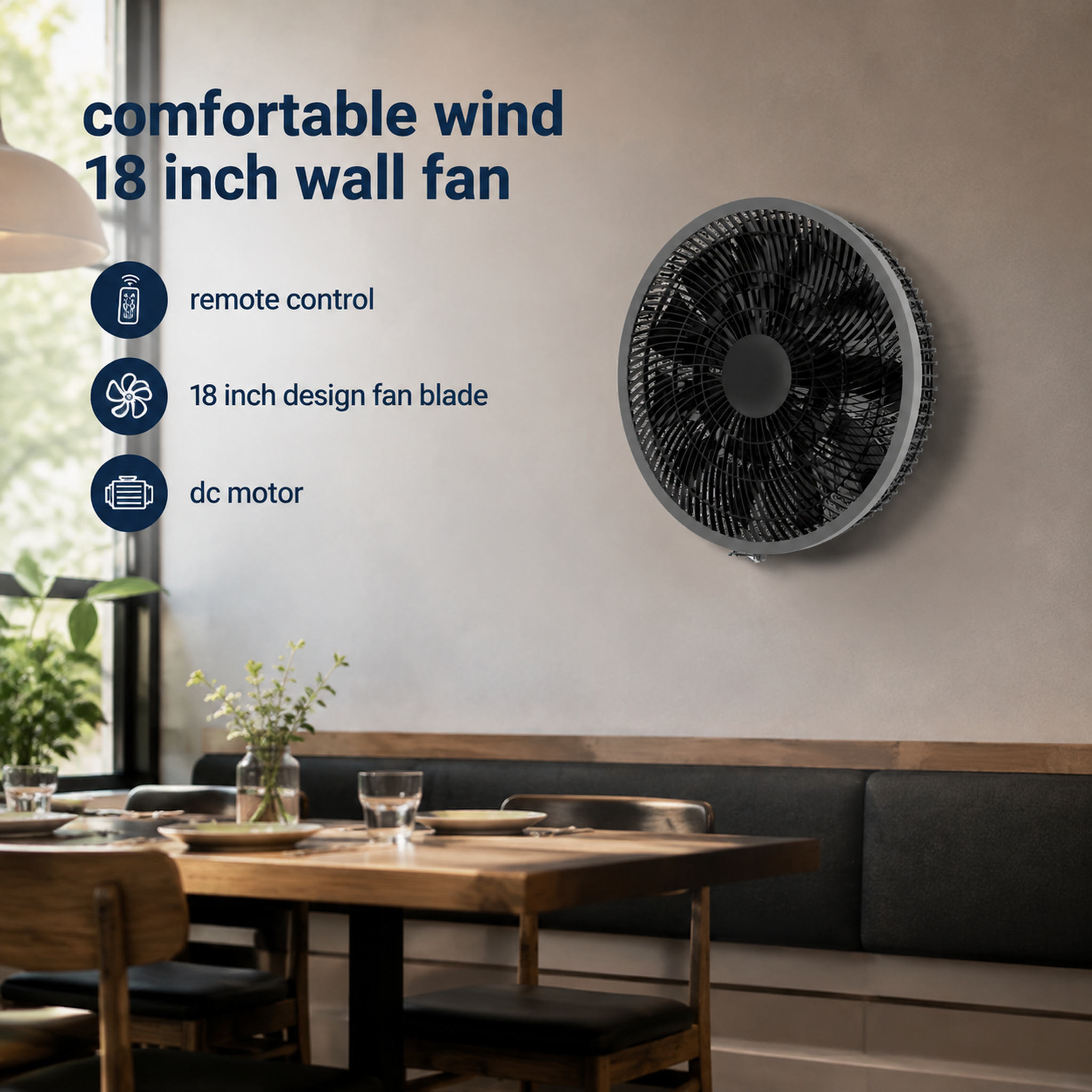
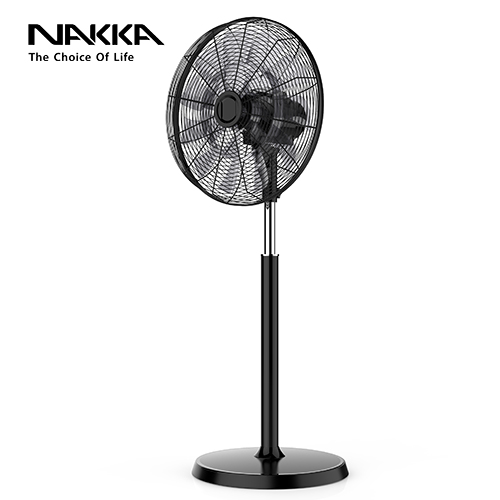
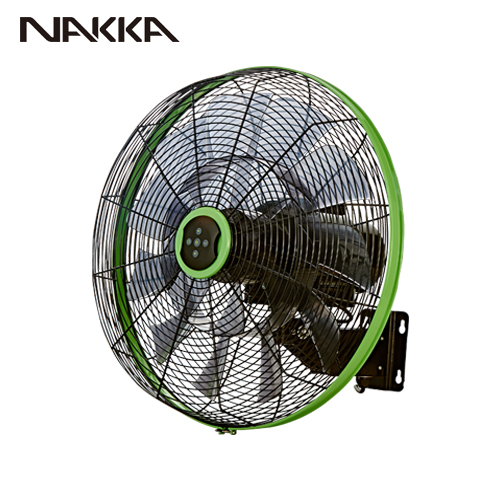
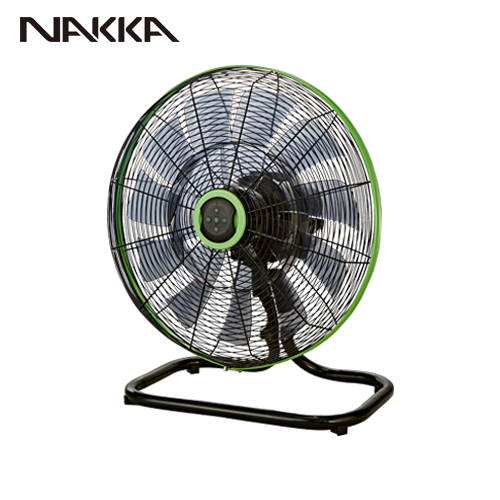
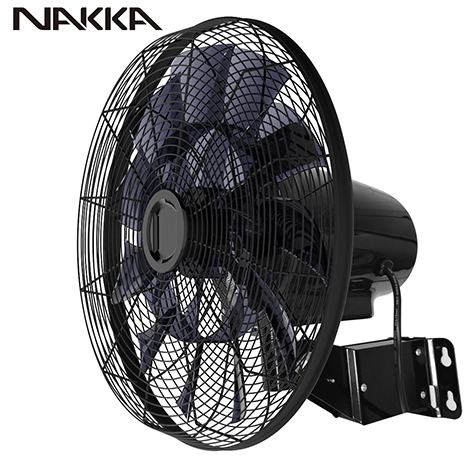
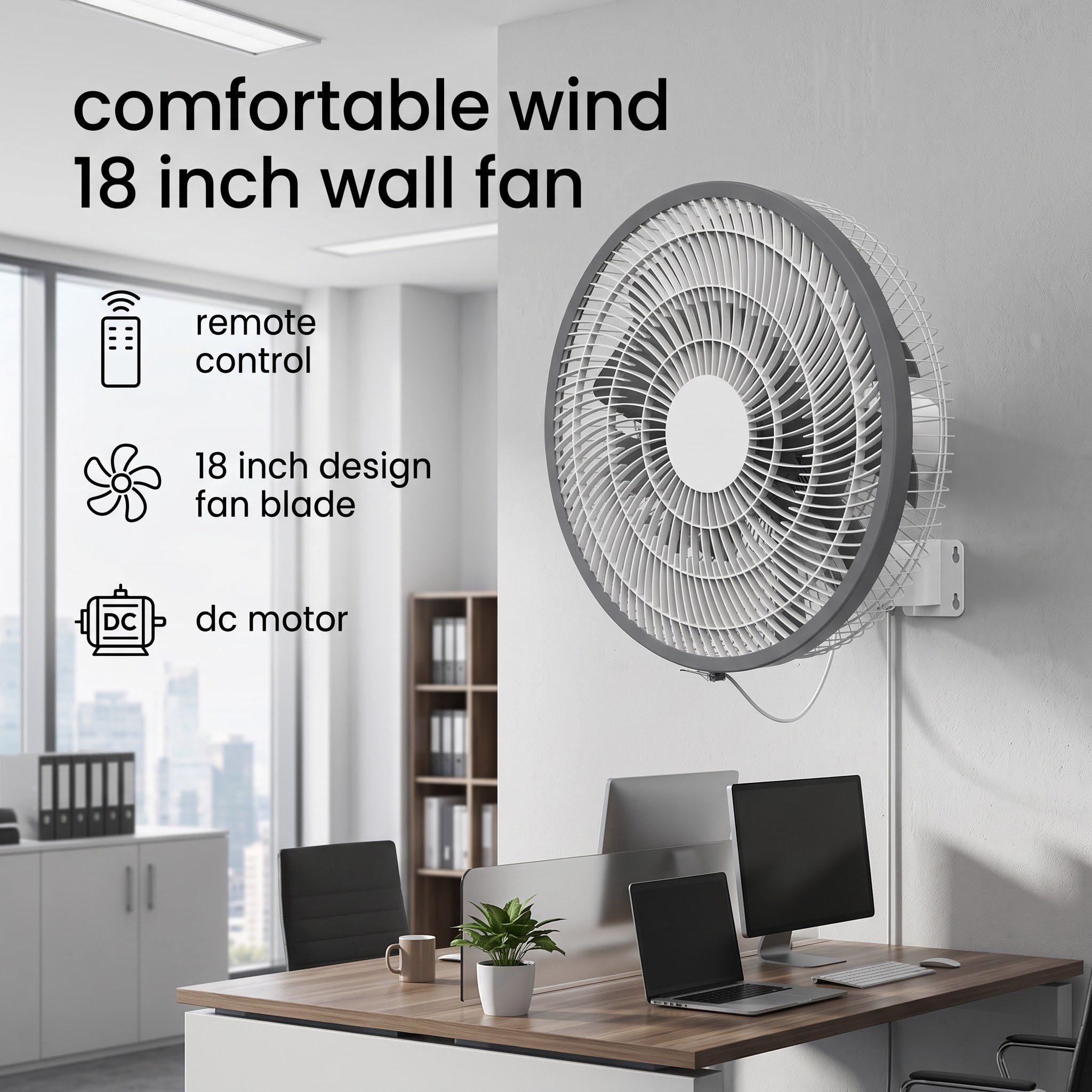
We recommend NAKKA's 18 inch 18 blade floor fan here. This fan comes in three styles: floor fan, pedestal fan, and wall fan. The design of 18 blades makes the transmission of wind softer, because it is not wind and blows fiercely towards people, so there will be no headache or joint pain caused by wind blowing for a long time.
Moreover, due to the fully sealed motor, electronic program control, and the use of fan blades, the fan will not produce significant noise during use. When the wind is at its maximum, the maximum noise is only 56dB. BLDC fans can be set to operate at low speeds. Currently, our sleep wind mode only has 200 revolutions per minute, and the noise at this speed is only 13dB. It is very suitable for use during sleep or in the living room without affecting normal conversation.
If you have a problem on sleeping, I think NAKKA bldc 18 inch 18 blades fan are very suitable for your use. Not only it could provide a comfortable wind, but also the fan is very low noise, which would not disturb your sleeping.